
Technology
How to Choose a PCB/PCBA Manufacturer: A Buyer's Guide and Checklist
A practical guide to choosing a PCB/PCBA manufacturer: certifications, capabilities, quality control, pricing, red flags, and questions to ask before ordering.
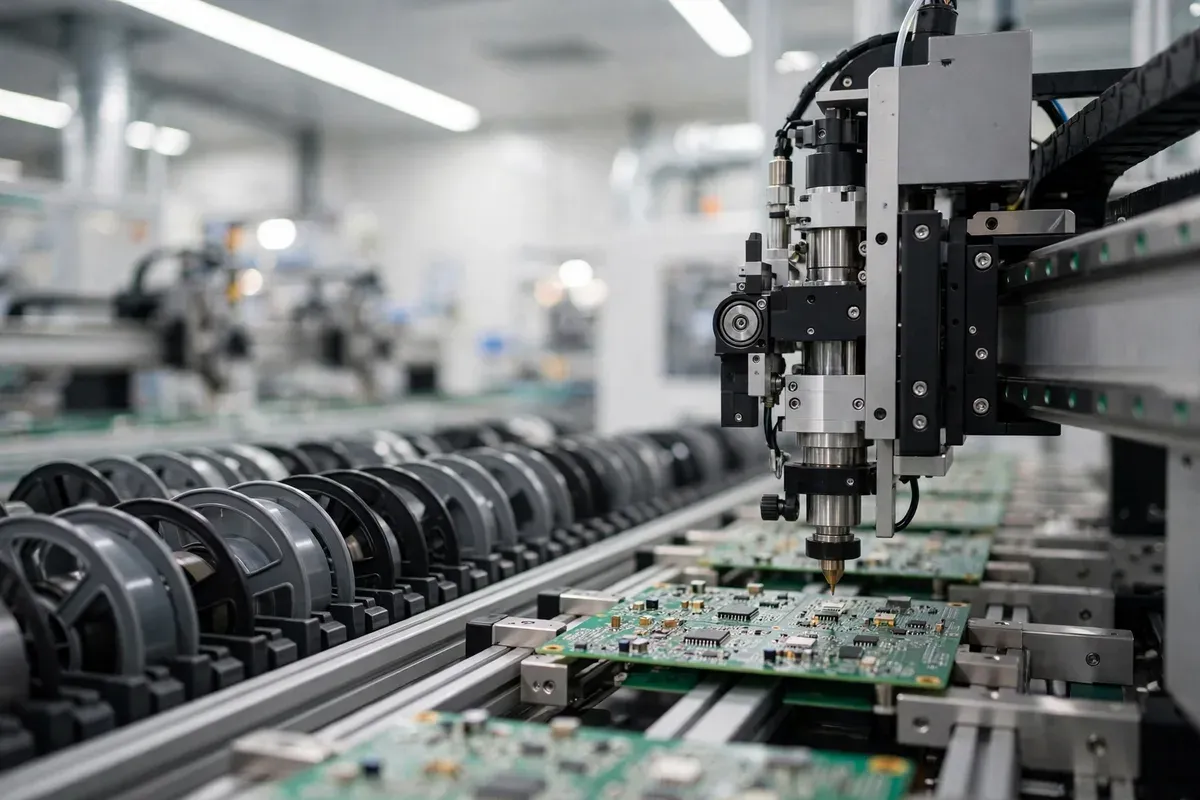
Choosing a PCB or PCBA manufacturer is one of the most consequential decisions in a hardware project. The supplier you pick influences product quality, launch schedule, and unit cost for the entire life of the product.
Many buyers choose on price alone. That is usually a mistake. A quote that looks 20% cheaper can cost far more once rework, delays, field failures, and requalification are counted.
The right partner is not the cheapest factory. It is the one whose certifications, capabilities, quality process, and communication match your product and your market. This guide covers what to check, what to ask, and which warning signs should make you walk away.
1. Start With Certifications — and Read Them Correctly
Certifications are the fastest way to filter manufacturers, but a logo on a website is not evidence. Ask for the certificate itself, and check its scope, issuing body, and expiry date.
- ISO 9001: the baseline quality management standard. It shows the factory runs documented, audited processes. Almost any serious manufacturer should hold it.
- IATF 16949: the automotive industry quality standard. Required for automotive products. It demands stricter process control, defect prevention, and traceability than ISO 9001 alone.
- ISO 13485: the medical device quality standard. Essential for medical electronics, where documentation and risk control are part of the product.
- UL certification: confirms the factory's boards meet recognized safety standards for flammability and electrical safety. Often required for products sold in North America.
- ISO 14001: the environmental management standard. Relevant if your customers or your own compliance program require it.
Match the certification to your market. An automotive customer will ask for IATF 16949. A medical customer will ask for ISO 13485. A missing certificate your market requires is a deal-breaker.
2. Match Capabilities to Your Design
A manufacturer can only build what its equipment and processes support. Check that the factory's capabilities cover your design — in writing, not in a sales conversation.
Key capabilities to verify:
- Board types: standard multilayer, HDI with microvias, flexible PCBs, and rigid-flex boards.
- Design limits: layer count, minimum trace width and spacing, and minimum hole size your design requires.
- Surface finishes: ENIG, HASL, OSP, and immersion silver, among others.
- Assembly: SMT placement for fine-pitch components and BGAs, DIP and through-hole assembly, and mixed-technology boards.
- Testing: automated optical inspection (AOI), X-ray inspection for hidden solder joints, in-circuit testing (ICT), and functional testing (FCT).
Ask for a written capability list. If your design sits at the edge of what a factory can do, expect lower yields and longer lead times. Choose a partner whose standard capability covers your requirements with room to spare.
3. Look for Real Engineering Support
The best manufacturers act as engineering partners, not just production lines.
A serious supplier reviews your design before production. Design for Manufacturability (DFM) and Design for Assembly (DFA) reviews catch problems — insufficient clearances, untestable layouts, components placed too close together — while fixes are still cheap.
Pay attention to what happens after you send your Gerber files and BOM. A good engineering team asks questions. It flags risks and suggests alternatives. A factory that accepts every file without comment is skipping the step that protects your schedule.
Ask whether DFM review is included and how feedback is delivered. Engineering support is one of the clearest differences between a vendor and a partner.
4. Inspect the Quality Control Process
Quality is a process, not a promise. Ask how the factory controls quality at each stage.
A complete quality process typically includes:
- Incoming quality control (IQC): verifying materials and components before production begins.
- In-process inspection: solder paste inspection (SPI) and AOI during assembly.
- X-ray inspection for BGA and other hidden solder joints.
- Electrical testing: flying probe or ICT for bare boards, functional testing for assembled boards.
- Final inspection and packaging control before shipment.
Also ask about traceability. Can the factory trace a finished board back to its materials, production batch, and test results? A factory that documents its problems and fixes them is more trustworthy than one that claims never to have any.
5. Check Communication and Working Style
Most outsourcing problems are communication problems.
Before committing, test the relationship. How quickly does the factory respond to technical questions? Do you get a dedicated contact who understands your project, or a different person each time? Are production updates proactive, or do you have to chase them?
Time zones matter too. A large difference is manageable when the factory answers clearly and keeps to agreed schedules, and a problem when every question takes a full day to resolve.
6. Get Clear on Lead Time, MOQ, and Pricing
Lead time and minimum order quantity (MOQ) shape your cash flow and your launch plan. Confirm both before you order — for prototypes and for mass production separately.
A transparent quote should itemize what you are paying for: PCB fabrication, component procurement, SMT and assembly, stencil and tooling, testing, and shipping. Ask what is not included. Stencil fees, programming charges, and testing costs are common surprises.
Compare quotes on the same basis. A lower unit price that excludes testing or uses substitute components is not the same offer. A board that fails in the field costs far more than the few cents saved per unit.
7. Red Flags to Watch For
Walk away — or at least slow down — if you see these signs:
- A quote issued without reviewing your Gerber files or BOM.
- No engineering questions at all about a complex design.
- Certifications shown as logos, but no certificate available on request.
- No clear answer on testing, traceability, or what happens when a board fails.
- Pressure to pay in full before production, with no milestone structure.
- Communication that is fast before the order and slow afterward.
Any one of these may have an explanation. Several together are a pattern.
8. Questions to Ask Before You Place an Order
Ask these in your first serious conversation with a supplier:
- Which certifications do you hold, and can I see the certificates?
- What are your capability limits for layer count, trace width, and hole size?
- Is DFM review included, and what does it cover?
- What testing is included in the quote, and what does it cost to add more?
- How do you handle component shortages or substitutions?
- What is your lead time for prototypes and for mass production?
- What is your MOQ, and how does pricing change with volume?
- How do you handle quality problems after delivery?
The quality of the answers tells you as much as the answers themselves.
Start With a Free DFM Review
Choosing a manufacturer is easier when you can evaluate real engineering work before committing to an order. A DFM review is the fastest way to do that.
Our engineering team provides a free DFM review before PCB fabrication and PCBA assembly. With 20 years of experience in the EMS industry, we offer one-stop service — PCB fabrication, component procurement, SMT/DIP assembly, and testing — certified to IATF 16949, ISO 13485, ISO 9001, and ISO 14001, with US UL certification. The review covers manufacturability, assembly feasibility, and potential reliability risks.
Send us your Gerber files and BOM. You will receive practical engineering feedback, not generic design comments — and a clear sense of what working with us is like, before you place an order.