All products
16 products
1ov7dt.webp
Telecommunications PCBA

Telecommunications PCBA

PCBA is fundamental in communication products for signal processing and data transmission. In routers and switches, it manages high-speed data packets for network traffic. In base stations, PCBA processes radio frequencies (RF) to enable 5G connectivity. It is used in fiber optic transceivers to convert electrical to optical signals. For satellites and smartphones, compact, high-frequency PCBAs ensure reliable wireless communication with minimal signal loss.

View product
58mj80.webp
Robot PCBA

Robot PCBA

PCBA is the core intelligence in robotics, serving as the main controller (MCU) to process algorithms and coordinate actions. It integrates sensor data (LiDAR, gyroscopes) for navigation and obstacle avoidance. High-power PCBAs drive servo motors for precise joint movement. In collaborative robots (cobots), it manages force feedback sensors to ensure safe human-robot interaction, demanding compact design and real-time processing.

View product
z0w0rt.webp
Rail Traffic PCBA

Rail Traffic PCBAa

PCBA is vital in railway systems for traction control and safety. In train control units, it processes speed data and manages braking systems. It is used in signaling and communication boards to ensure safe train spacing. PCBA also runs passenger information displays and HVAC systems, requiring high resistance to vibration, wide temperature fluctuations, and electromagnetic interference in moving environments.

View product
hyzt7h.webp
New energy products PCBA

New energy products PCBA

PCBA is essential in new energy products for power management and energy conversion. In solar systems, it is used in inverters to convert DC from panels into AC for the grid. In battery storage, PCBA manages charge/discharge cycles and monitors cell health. For electric vehicle (EV) charging stations, it controls power delivery and communication, ensuring efficient and safe energy transfer.

View product
kefo0p.webp
Medical PCBA

Medical PCBA

PCBA is critical in medical devices for diagnostics and life support. In patient monitors, it processes vital signs like heart rate and blood pressure. It controls the precise motors and sensors in infusion pumps to deliver accurate medication doses. PCBA also enables imaging in ultrasound and X-ray machines, and runs ventilators, requiring ultra-high reliability and signal integrity to ensure patient safety.

View product
waw2ax.webp
Industrial Control PCBA

Industrial Control PCBA

In industrial control, PCBA acts as the core of Programmable Logic Controllers (PLC) and industrial computers, executing automated commands for assembly lines. It is used in motor drives to regulate speed and torque precisely. PCBA also processes data in sensors (temperature, pressure) and runs Human-Machine Interfaces (HMI), ensuring reliable operation 24/7 in harsh environments with dust and vibration.

View product
kycc3j.webp
Automotive PCBA

Automotive PCBA

PCBA is vital in automotive electronics, serving as the core of Engine Control Units (ECU) to manage fuel injection and ignition. It enables safety systems like airbag deployment and ABS braking by processing real-time sensor data. In electric vehicles, PCBA monitors battery health and power distribution. It also runs infotainment displays and ADAS features like lane keeping, ensuring reliable performance under high vibration and temperature.

View product
z8zeto.webp
Aerospace & Defense PCBA

Aerospace & Defense PCBA

PCBA is critical in aerospace for flight control computers, managing navigation and autopilot. It is used in engine control units (FADEC) to monitor fuel and performance. In satellites, it processes data and manages power distribution. PCBA also runs communication transceivers for aircraft-to-ground contact and controls cockpit display systems, ensuring reliable operation under extreme vibration and temperature.

View product
60pmdf.jpg
Rigid PCB

Rigid PCB

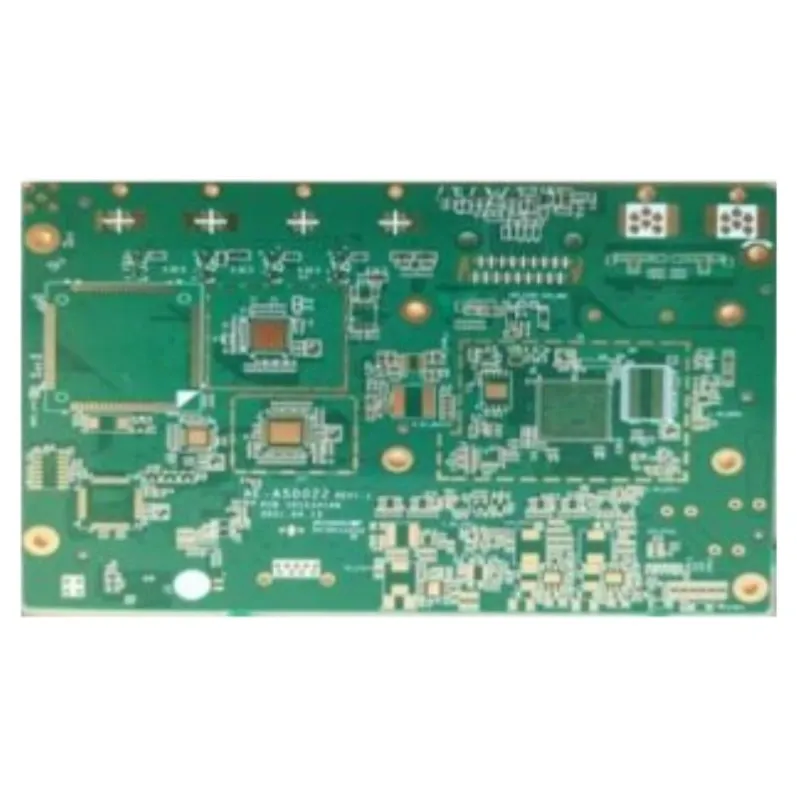
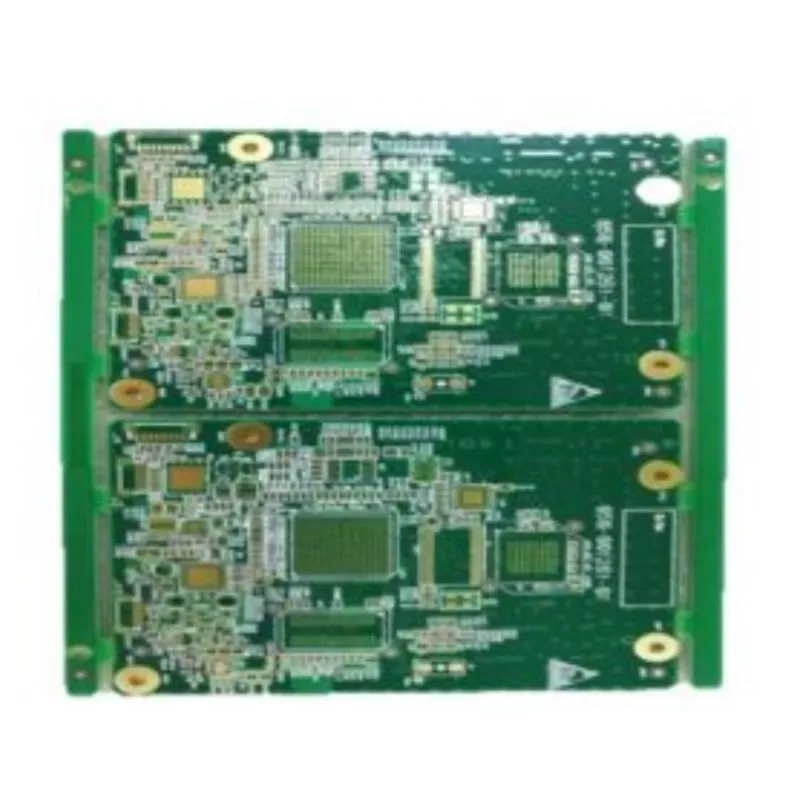
A Rigid PCB (Printed Circuit Board) is a solid, non-flexible laminated board that serves as the mechanical backbone and electrical foundation for electronic components and their interconnections. Constructed from a firm base material, typically fiberglass (FR4), these boards are designed to maintain their shape permanently. Once manufactured, they cannot be bent or twisted. Rigid PCBs are the most common type of circuit board found in electronics, known for their reliability, durability, and cost-effectiveness. They can be built as single-sided, double-sided, or multi-layer boards to accommodate various levels of circuit complexity.

View product
h8ruo2.jpg
Rigid Flex PCB

Rigid Flex PCB

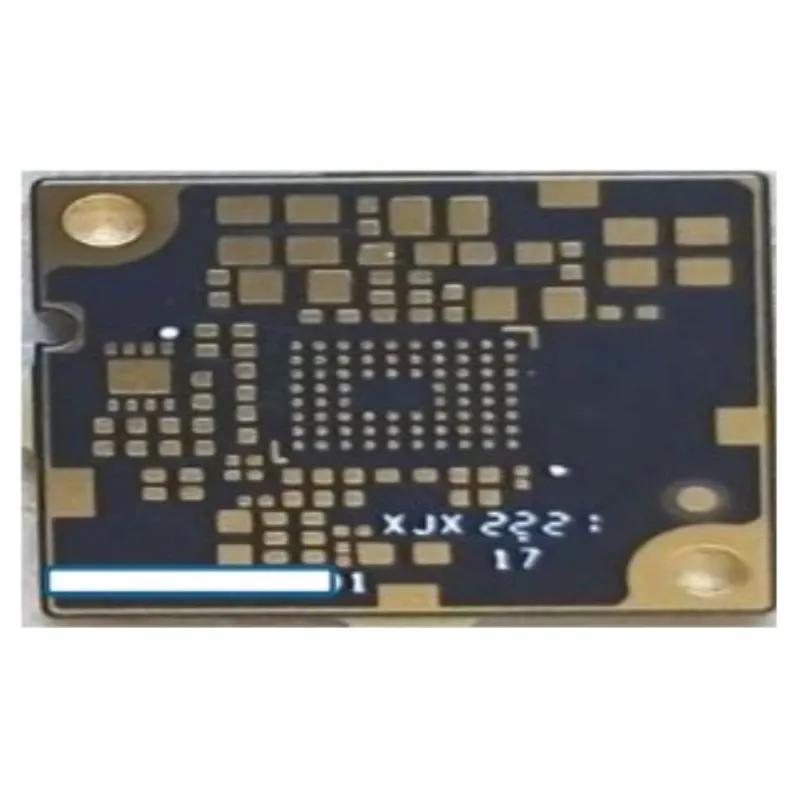
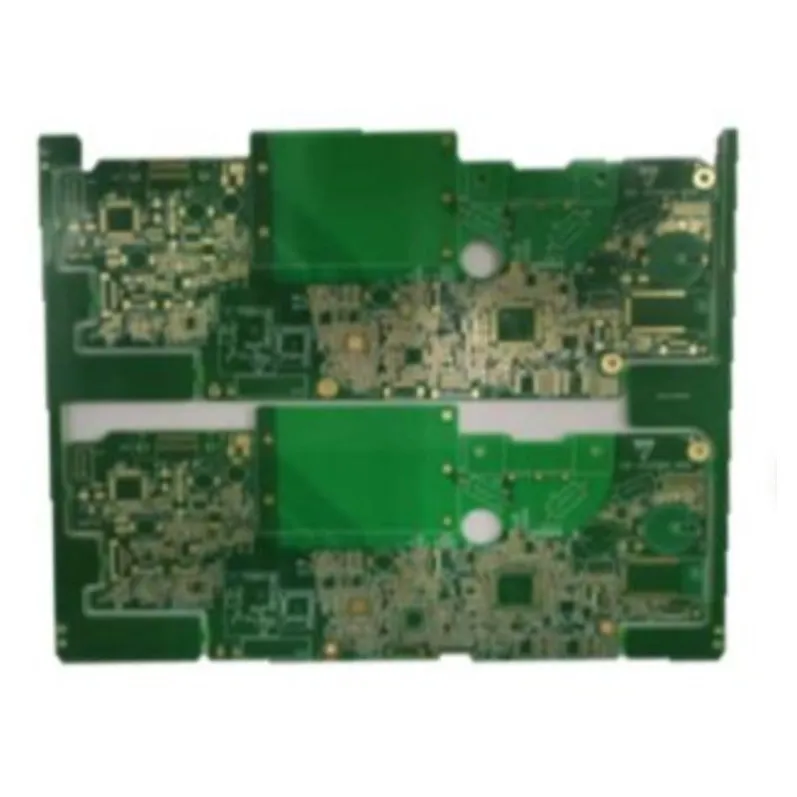
A Rigid-Flex PCB is a hybrid circuit board that seamlessly combines the best elements of both rigid and flexible board technologies. It consists of multiple layers of flexible circuit substrates that are attached to, and sandwiched between, rigid board layers. This integration creates a single, unified interconnect system that can be folded or continuously flexed while maintaining the shape and support of rigid boards for component mounting. By eliminating the need for connectors and cables typically used to connect separate rigid boards, Rigid-Flex PCBs offer a reliable, space-saving, and high-performance solution for modern electronic design challenges.

View product
ndkp9e.jpg
Multilayer PCB

Multilayer PCB

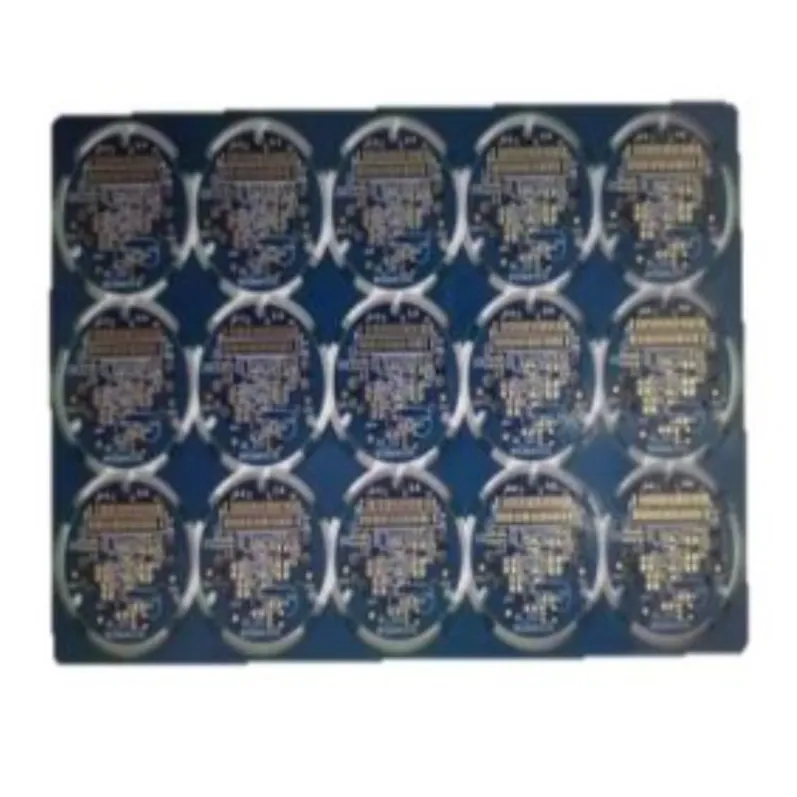
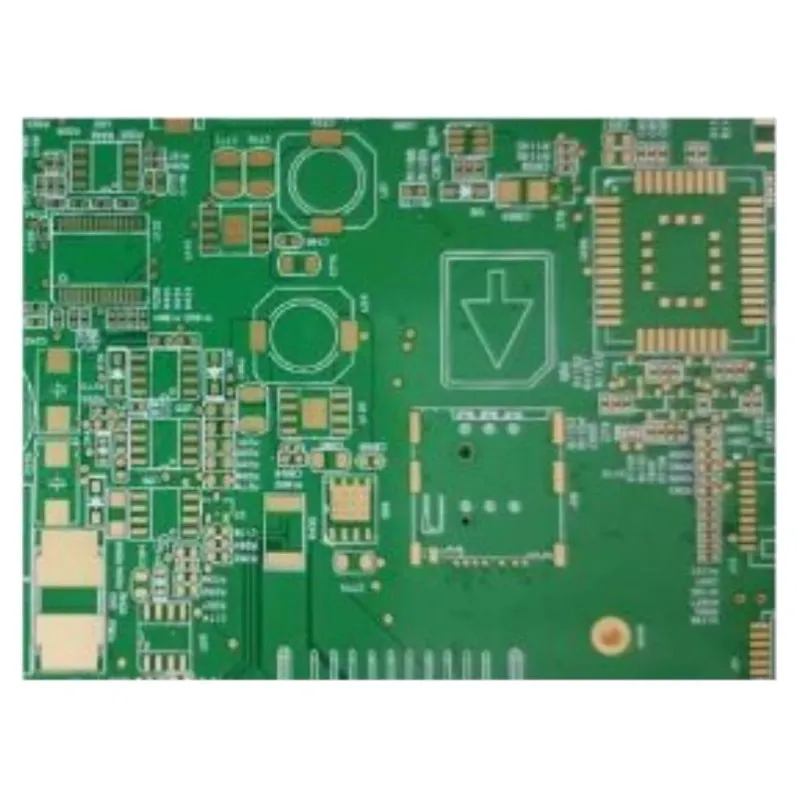
A Multilayer PCB is a circuit board consisting of three or more conductive copper layers laminated together with insulating dielectric material. Unlike single or double-layer boards, these complex structures allow for highly dense routing and superior electrical performance. The layers are bonded under heat and pressure, with vias (PTH) connecting the circuits across different levels to maximize functionality within a compact form factor.

View product
iez1q7.jpg
High frequency PCB

High frequency PCB

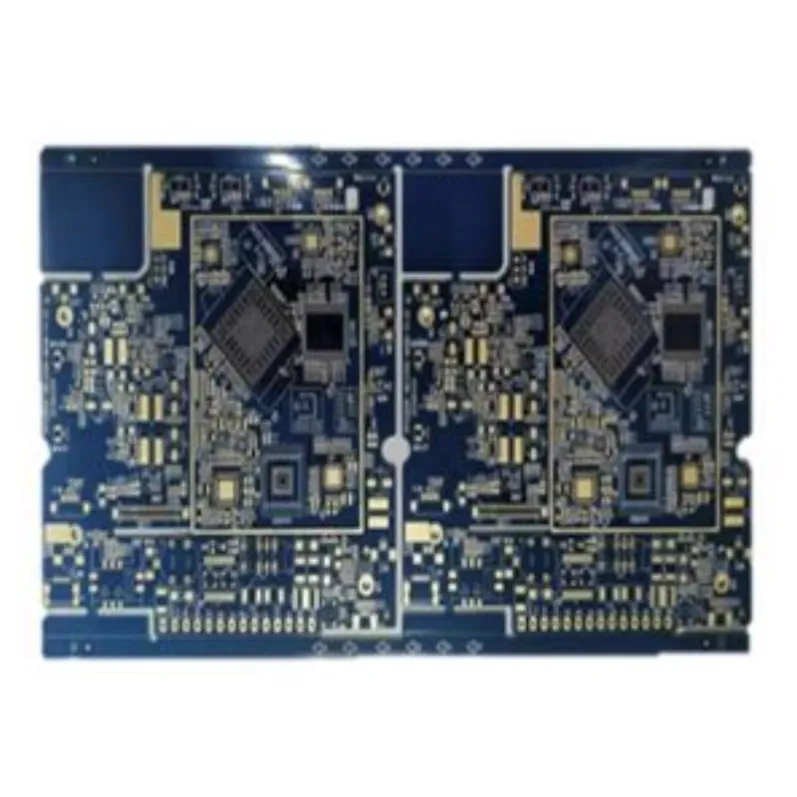
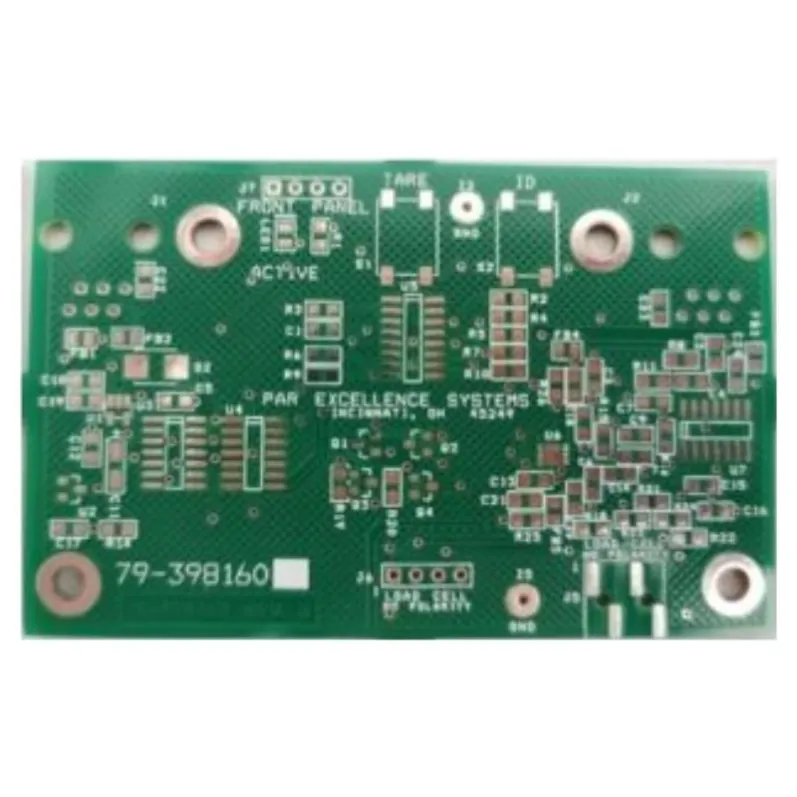
High Frequency PCBs are specialized circuit boards designed to transmit signals in the gigahertz (GHz) frequency range (typically 1 GHz and above). Unlike standard FR4 PCBs, they are manufactured using low-loss, engineered thermoplastic or thermoset materials with strict tolerances on dielectric constant (Dk) and dissipation factor (Df). These boards ensure minimal signal loss, controlled impedance, and excellent thermal management, making them essential for modern high-speed digital and radio frequency (RF) applications.

View product
Page 1 of 2